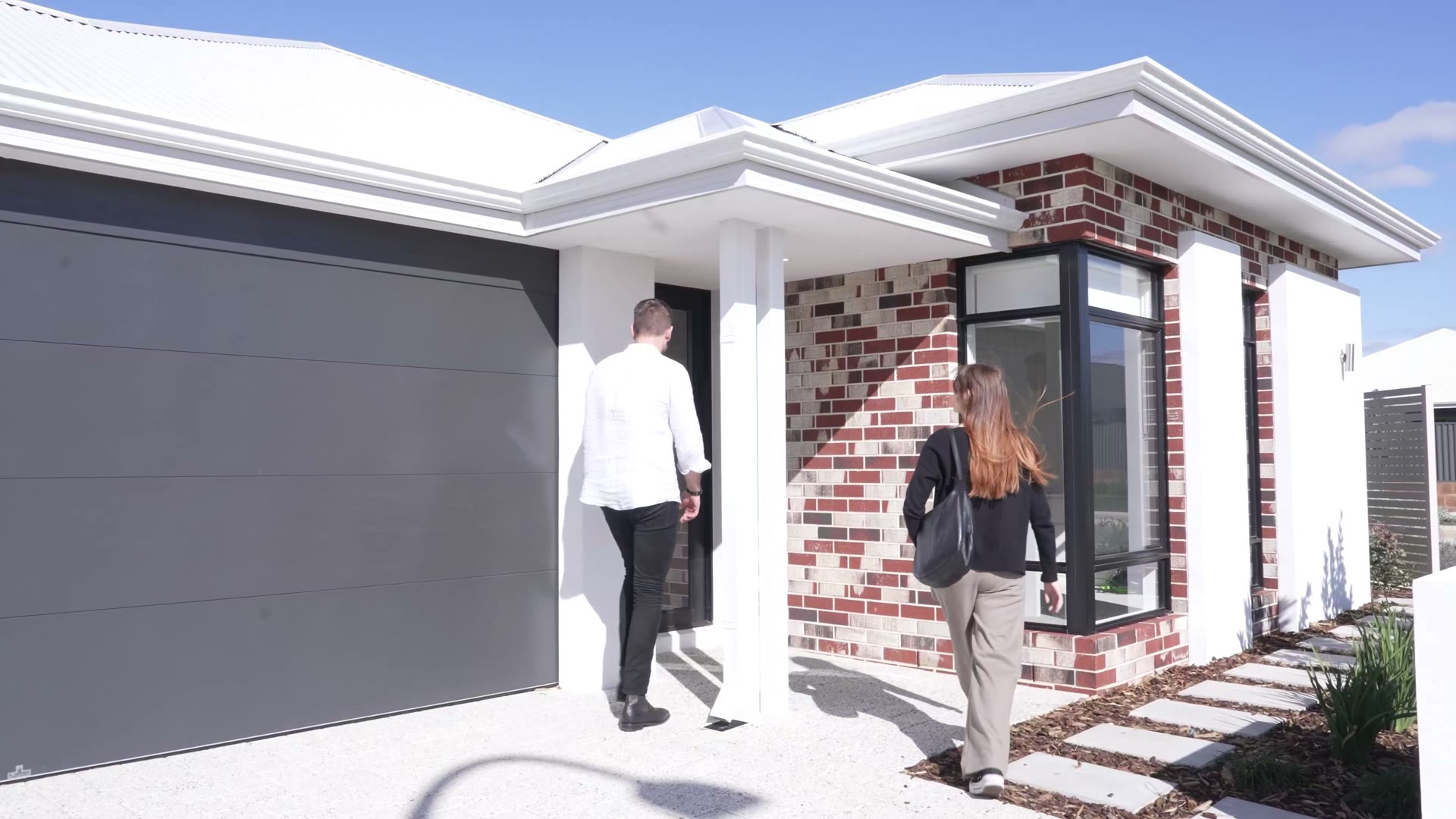
Low Deposit Home Loans

Think owning a home is out of reach because you don’t have a huge deposit saved?
You’re not alone.
Many first home buyers assume they need a 20% deposit before they can even think about buying or building. But depending on your circumstances, there may be low-deposit home loan options and government support that could help you get into your first home sooner.
The key is understanding what you’re eligible for and what works for your financial situation. We’ll help you make sense of your options, cut through the finance jargon and get a clearer picture of what could be achievable.
Ready to see what your options look like? Let’s break down how low-deposit home loans work, the requirements you’ll need to consider and the different pathways that could help you get into your own home.
-
Learn more about Keystart

Keystart Home Loans
For eligible Western Australians, Keystart offers low-deposit home loan options that could help make getting into your own home more achievable. Some Keystart loans allow eligible buyers to get started with a deposit from 2% without paying lender’s mortgage insurance (LMI). Eligibility requirements, income limits and other lending criteria apply.
-
Explore the 5% Deposit Scheme

5% Deposit Scheme
The Australian Government 5% Deposit Scheme could help eligible first home buyers buy or build with a deposit from 5%, without paying LMI. Property price caps, participating lender requirements and other eligibility criteria apply.
-
Explore the $25K Deposit Boost

$25K Deposit Boost
Got your sights set on building in WA? Locale's $25K Deposit Boost could help you take the next step towards your new home, even if you're still building up your savings. Eligibility criteria and terms and conditions apply.
-
Explore guarantor home loans

Family Guarantee (Guarantor)
What if you could buy or build your first home with no deposit? With a family guarantor home loan, eligible buyers may be able to borrow 100% of the purchase price, without needing to save a deposit or pay Lenders Mortgage Insurance (LMI). It works by using equity in an eligible family member's property as additional security for your loan, helping you take that next step towards home ownership sooner. Lender requirements apply, and guarantors take on financial risk if you can't meet your repayments. You may still need funds for other upfront costs.
-
Explore Help to Buy

Help to Buy Scheme
The Australian Government Help to Buy scheme could help eligible WA buyers purchase or build a home with a deposit from just 2%, with the Government contributing up to 40% towards a new home through a shared equity arrangement. Income limits, property price caps, participating lender requirements and other eligibility criteria apply.

Not quite ready yet?
If you’re not eligible just yet, that doesn’t mean home ownership is off the table.
We’ll help you understand where you’re at, what could be holding you back and the steps you could take to put yourself in a stronger position, whether that’s building your savings, reviewing your debts or simply giving yourself a little more time.
So, when you are ready, you’ll have a clearer idea of what’s possible and what to do next.
Let’s work out what comes next
Wherever you’re at, our team at Locale Financial can help you understand your options, what could be achievable and the steps you can take towards your first home.
"*" indicates required fields

What does a building broker do?
Builders build homes. Developers sell land. Finance specialists help with lending.
Much like a finance broker helps you navigate lenders, a building broker helps you navigate builders, home designs and land options.
Locale Homes brings the whole journey together. You get one dedicated New Home Advocate helping you understand your options, connect with the right specialists and make confident decisions from your first questions to welcome home.
Our service comes at no additional cost to you. You pay the same price as you would going directly to the builder, and Locale is compensated by the builder you choose.
Your questions, answered.
Straight answers to the questions we hear most about home loans and finance.
-
Going directly to a builder means you’re exploring the homes, designs and options available through that builder.
A building broker works differently. We work for you, comparing multiple builders and designs to help you find the right fit for your needs, goals and budget.
Here’s why people choose to work with a building broker:
More choice: Compare a wide range of builders and home designs, rather than being limited to one builder’s range.
Vetted builders: We work with a panel of trusted builders, giving you confidence in who you’re considering.
Buyer-first advice: We’re not tied to one builder, so we can help you weigh up your options based on what’s right for you.
Insider knowledge: We know the industry and can help you understand pricing, inclusions, build timeframes and where the real value is.
Clarity and confidence: We explain contracts, inclusions and costs that may not be obvious upfront, so you have a clearer picture before making decisions.
Ongoing support: From finding land and choosing a builder through to construction and key handover, we’re with you throughout the journey.
Put simply, you get more choice, clearer information and an experienced advocate in your corner.
-
Yes, in some cases. The Australian Government 5% Deposit Scheme can be used alongside certain grants, concessions and other home buyer support programs you may be eligible for.
This can include first home owner grants and transfer duty concessions, depending on what’s available in your state or territory.
Each program has its own eligibility criteria, and some government schemes cannot be used together.
-
Lenders Mortgage Insurance (LMI) is insurance that protects the lender if you’re unable to repay your home loan and the sale of the property doesn’t cover the outstanding amount.
LMI may apply when you’re borrowing a higher percentage of the property’s value, often when your deposit is less than 20%. Whether you need to pay LMI, and how much it costs, will depend on your lender, loan and circumstances.
There are ways some buyers may be able to avoid LMI, such as having a larger deposit, using an eligible guarantor arrangement or qualifying for a government home buyer scheme.
It’s important to remember that LMI protects the lender, not you.
-
Your borrowing capacity is the amount a lender may be willing to lend you based on your financial situation.
Every lender assesses things a little differently, but they’ll generally look at factors including:
- Your income
- Your regular living expenses
- Any existing debts and financial commitments
- Your assets and savings
- Your credit history
- The size of your deposit
- The type and structure of the home loan
Lenders also consider whether you could continue to afford your repayments if interest rates were higher, which can affect how much you’re able to borrow.
-
If you’re buying land and building a new home, you’ll typically need a construction loan. It works a little differently from a standard home loan because the funds for your build are released in stages rather than all at once.
Once you’ve settled on the land, your lender will generally release funds to the builder as construction progresses. These are known as progress payments and usually happen at key stages of the build.
During construction, you’ll generally only pay interest on the amount of the loan that has been drawn down so far, depending on your lender and loan structure. Once construction is complete and the loan is fully drawn, repayments will typically move to principal and interest.
-
Stamp duty, also known as transfer duty, is a tax that can apply when you buy property or land.
When you buy vacant land and build a new home, transfer duty generally applies to the land purchase, not the cost of building your home.
Transfer duty rules vary by state, so eligible first home buyers may pay reduced or no transfer duty on vacant land, depending on where they buy and the value of the land.
These concessions can make building worth considering when you’re weighing up a new home against buying established.
“We had a fantastic experience with Locale Homes! They made the whole process of finding and securing our house incredibly easy and stress-free. Communication was excellent throughout, and they were always helpful, professional and quick to respond. A special mention to Oumi, who was absolutely brilliant from start to finish. He'…”
What our clients say
Don’t just take our word for it, our clients say it better than we ever could.
Do I qualify?
Just add your details to the calculator, and our in-house finance team will crunch the numbers to see what’s possible for you. We’ll assess your eligibility and guide you through the home loan application process to secure the right loan—so you can step into homeownership sooner!
Do I Qualify
What other support could help you get into your first home?
A low-deposit home loan could help reduce the amount you need upfront, but it may not be the only support available to you. Depending on your eligibility and where you’re buying, there may be government grants, schemes, concessions and other options that could help make your first home more achievable.
-
Find out more
Get started from $2K upfront*
With eligible government support and tailored finance options through Locale Financial, you could get your home-building journey underway from as little as $2,000 upfront. We’ll help you understand what support you may be eligible for and how the different pieces could work together.
-
Explore the First Home Owner Grant
First Home Owner Grant
Building your first home in WA? Eligible first home buyers could receive up to $10,000 through the First Home Owner Grant. The grant is available for eligible new homes, with property value caps and other eligibility requirements applying.
-
Explore transfer duty concessions

Transfer duty savings
Eligible WA first home buyers may pay no transfer duty, or a reduced amount, depending on the value of the home or vacant land they purchase. For eligible transactions from 7 May 2026, no transfer duty is payable on homes valued up to $600,000 or vacant land valued up to $450,000, with concessions available above these thresholds.
Where to next?
 Home Designs Your perfect locale is out there
You might be interested in these
 First Home Buyer Guide
 Own It Podcast
 Browse House & Land Packages
 Tools & calculators

This page is general information and doesn’t take into account your objectives, financial situation or needs. Before acting on it, consider whether it’s right for you. Lending criteria, fees and charges apply, and all applications are subject to lender approval. Scheme, grant and transfer duty information is correct as of October 2026 and may change. Eligibility, property value caps and other conditions apply, and are determined by the relevant government agency or participating lender. Not all schemes can be used together.
Keystart and the Queensland Housing Finance Loan are government-backed lenders with their own eligibility and lending criteria. Queensland Housing Finance Loan applications are made directly with the Queensland Government. A guarantee carries financial risk for the guarantor. Guarantors should get independent legal and financial advice before agreeing to guarantee a loan.